


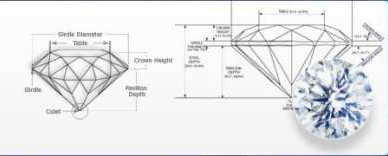
Rare, fancy and side stone cuts
Rare diamond cuts
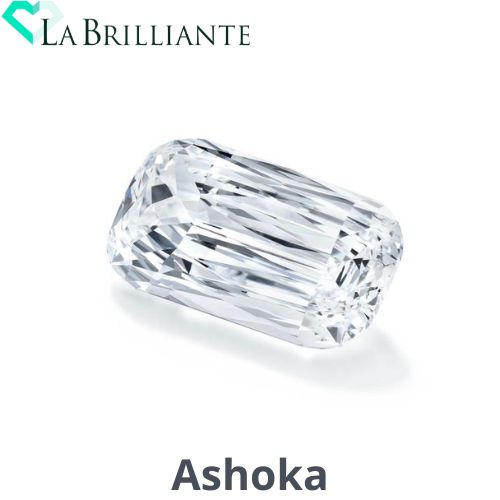
A modified cushion cut with a rectangular shape, rounded corners, and 62 facets.
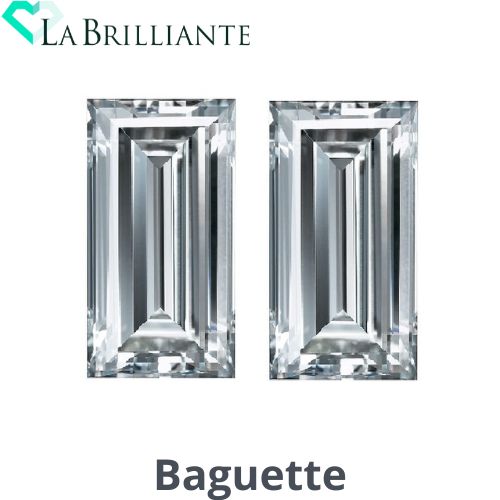
A type of stepped cut of a jewelry stone in the form of an elongated rectangle.
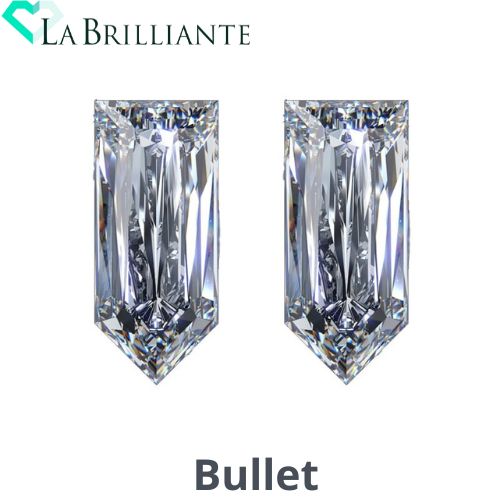
A shape of a pentagon elongated in height, resembling the shape of a bullet.
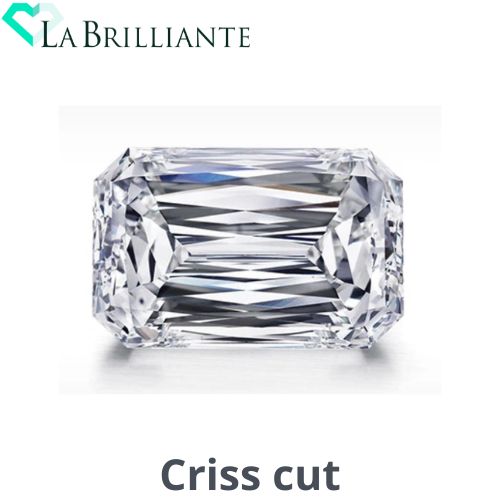
A cross-shaped pattern, with long and narrow facets that intersect or cross each other.
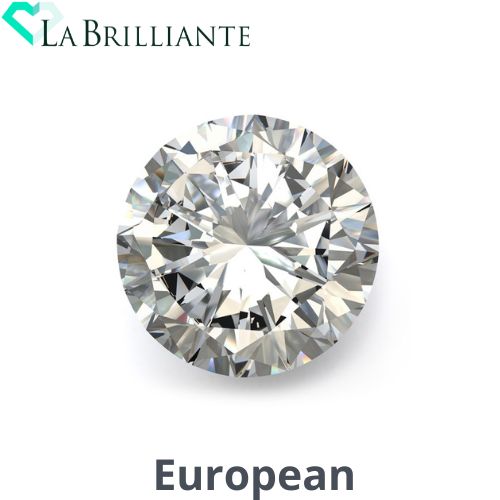
The direct predecessor of the modern round brilliant cut.
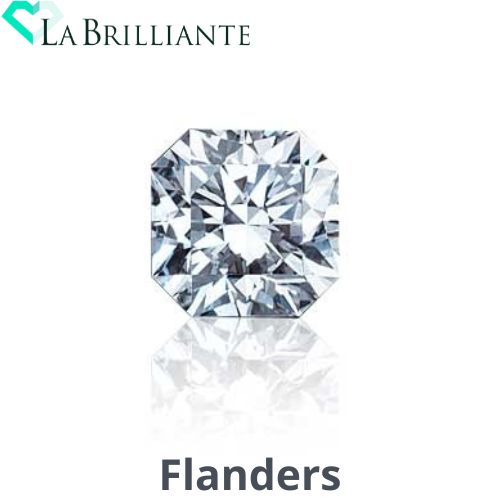
It combines elements of both the cushion and rectangular radiant cuts.
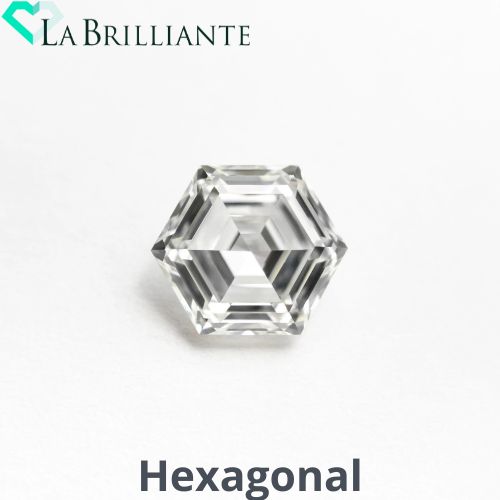
A step cut which has the shape of a regular hexagon in plan.
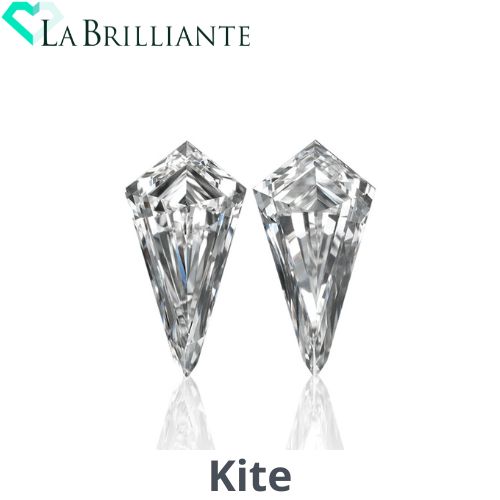
It has two longer sides and two shorter sides, often with curved or rounded corners.

It has hexagonal shape that is a stretched-out and symmetrical, with straight sides.
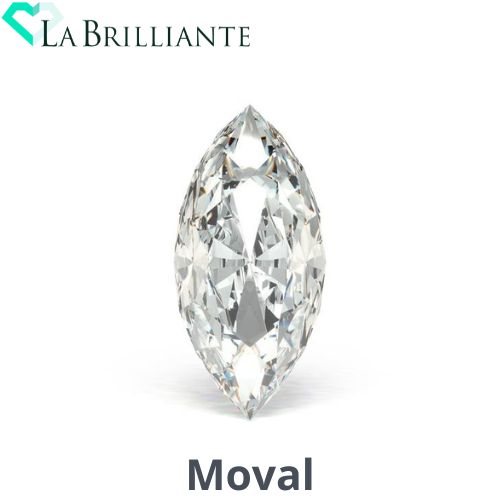
A combination the marquise and oval cuts, an oval shape diamond with pointed ends.
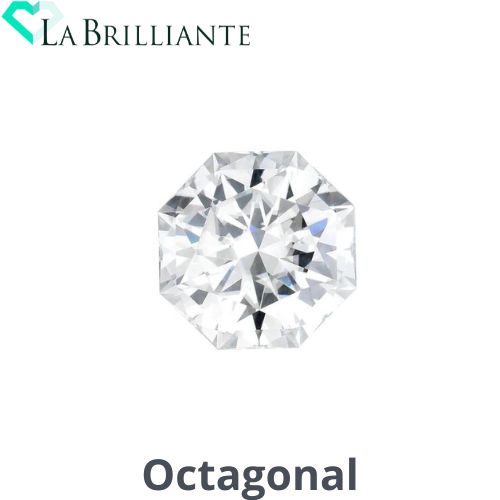
This shape features eight sides that give the stone incredible fire and brilliance.
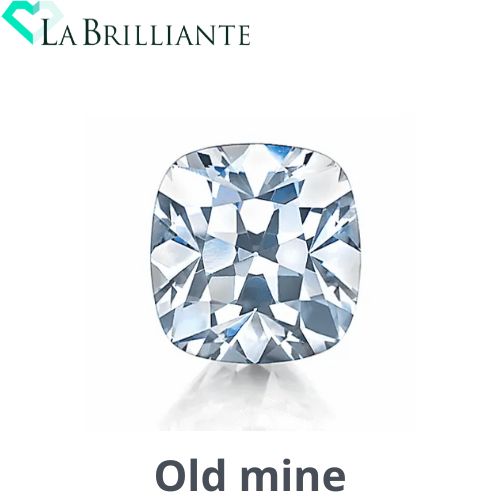
A stone of a cushion shape, with rounded edges and a more elongated appearance.
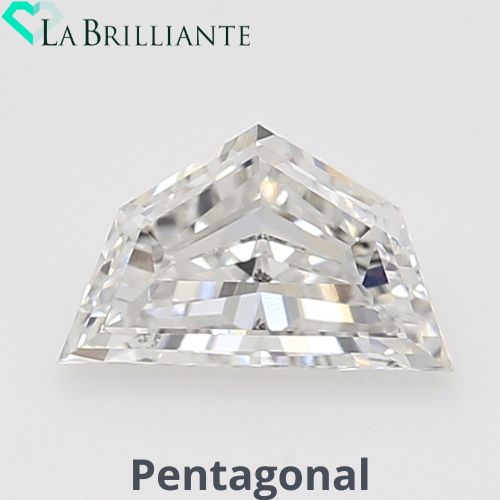
It is a cut with five sides or facets, forming a pentagon. It is not a standard or widely recognized diamond cut.
Side stones (matching pairs)
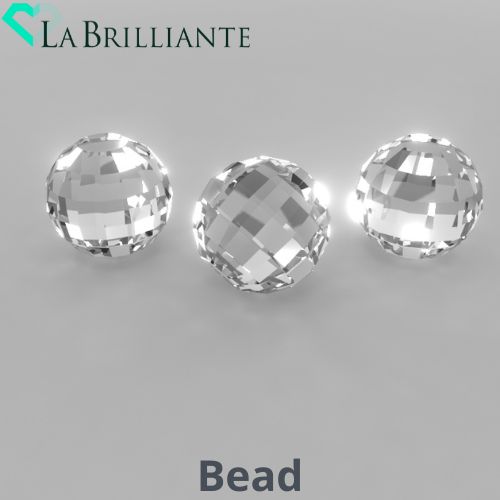
A cut in which a diamond is turned into a bead.
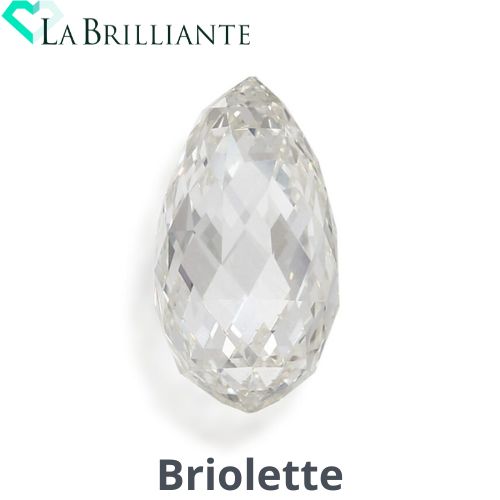
A briolette is a diamond in the shape of an elongated pear.
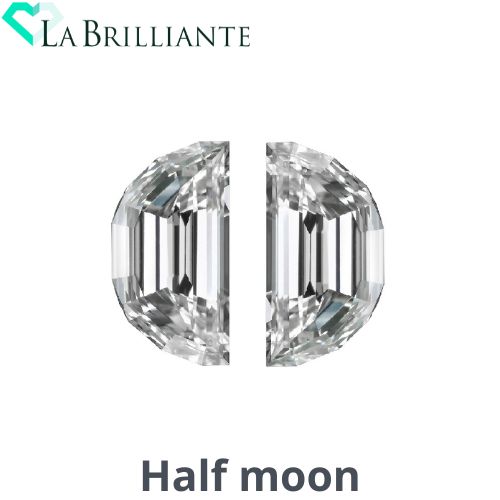
It is an oval that has been cut in half, with one half straight and the other half curved.
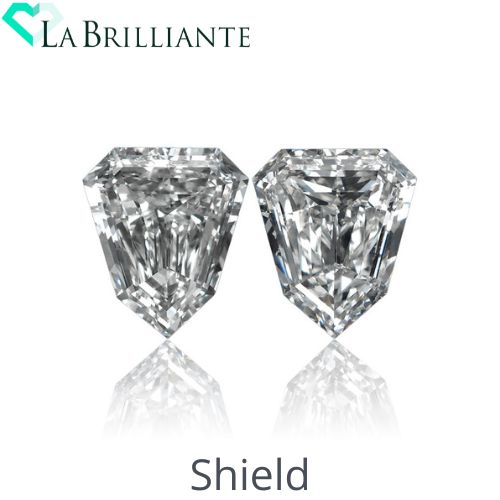
This shape of cut resembles a convex shield
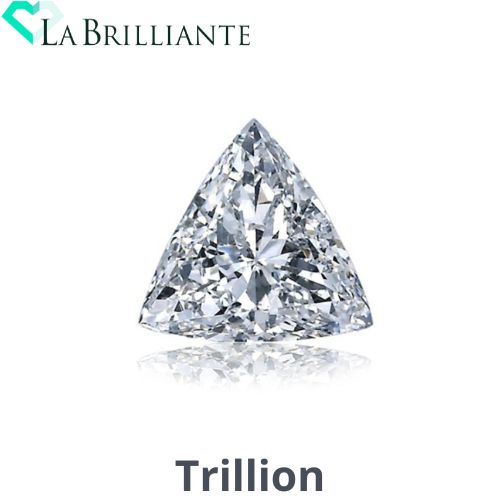
I has an equilateral triangular shape with 31 or 50 facets
Fancy (unique, one of a kind) cuts
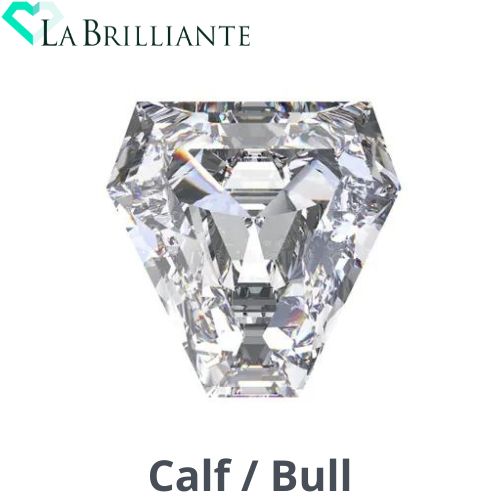
Bull head is a rare rendition of a trapezoid cut.
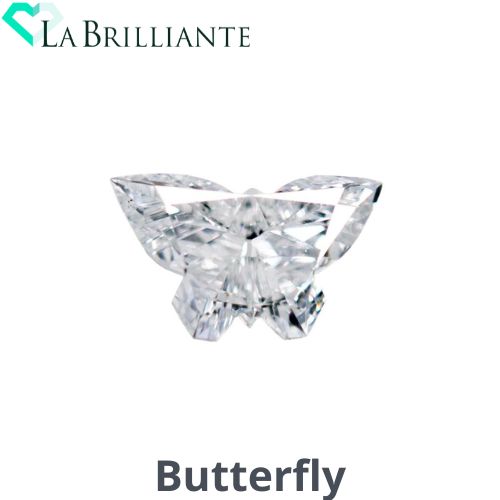
It has all degree angles in facetings like 30°, 45°, 60°, 90°, and 180°
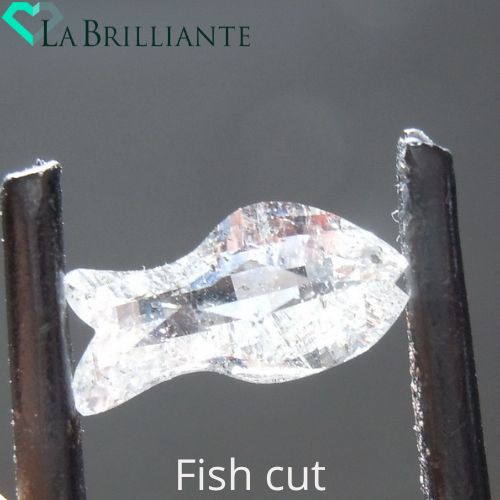
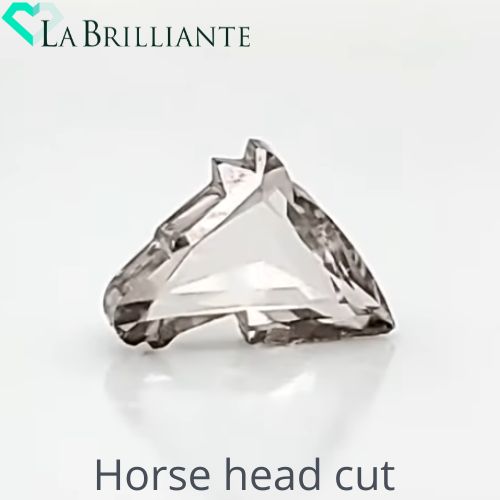

A diamond with facets cut to resemble a specific shape of a letter of the alphabet.
Rare Diamond Cuts: Frequently Asked Questions
Rare diamond cuts are uncommon cutting styles that are either historically significant, patented by specific brands, or require exceptional craftsmanship. Examples include the Ashoka, Eighty-Eight, Jubilee, Asprey, and Royal Asscher cuts. These cuts are found in less than 10% of all diamonds due to their specialized cutting requirements
The Round Brilliant cut is generally considered to sparkle the most with its 58 facets designed specifically to maximize brilliance. Among rare cuts, the Eighty-Eight cut with its 88 facets and the Jubilee cut with its unique structure are known for exceptional sparkle, with some rare cuts able to shine brilliantly even in low-light conditions
The Round Brilliant cut is typically the most expensive due to its popularity and the significant amount of rough diamond material lost during cutting. Among rare cuts, the Ashoka and Asprey cuts command premium prices due to their exclusive nature, patented designs, and the requirement for larger, high-quality rough diamonds
Yes, lab-grown diamonds can be fashioned into rare cuts. The same cutting techniques apply to both natural and lab-grown diamonds as they have identical chemical and physical properties. However, some patented cuts may only be available through specific retailers who have the legal rights to produce these designs.
Some diamond cuts are patented to protect their unique design and cutting techniques. For example, the Ashoka cut is patented by William Goldberg and the Eighty-Eight cut by Finesse Diamonds. For buyers, this means these cuts can only be purchased through authorized retailers who have the rights to sell these specific cuts, making them more exclusive and often more expensive.
Higher facet counts in rare cuts dramatically impact brilliance and light performance. The Eighty-Eight cut (88 facets) and PrincessPlus (100-115 facets) create more brilliance compared to traditional cuts. These additional facets can make diamonds appear up to 30-50% larger and brighter than conventional cuts of equal carat weight, as seen with the Ashoka cut's 62 facets versus the round brilliant's 58
The Ashoka cut is exceptionally rare because it requires a rough diamond of at least 3 carats that's essentially flawless, which accounts for less than 1% of all rough diamonds mined annually. This modified cushion cut features 62 facets, rectangular shape with rounded corners, and makes the diamond appear approximately 30% larger than traditional cuts of the same weight. Its name honors Emperor Ashoka Maurya and is said to have the ability to banish sorrow.
The Eighty-Eight cut was created after years of engineering research by Finesse Diamonds of New York. It features 8 sides and 88 facets, embracing Asian traditions that recognize the number 8 as a symbol of good fortune, luck, and prosperity. The cut's unique design creates mesmerizing brilliance through its octagonal shape and requires no special lighting to show off its fire and sparkle, making it one of the most distinctive patented diamond cuts available
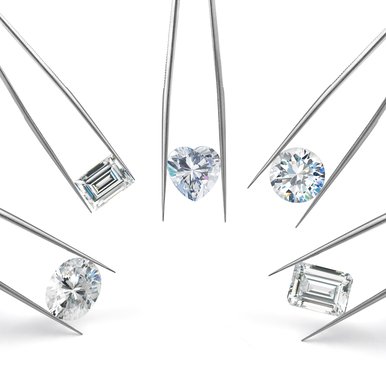
Our database of lab diamonds
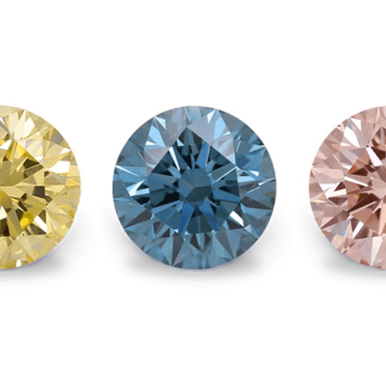
Fancy color diamonds
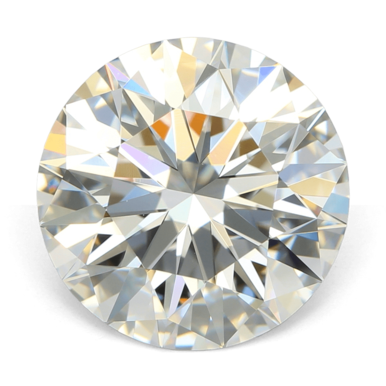
Colorless type IIa diamonds